
SKIN CARE
affects quality of life
Skin diseases, such as atopic dermatitis, acne vulgaris, are in general non-fatal diseases, which contribute 1.79% of the global disease burden1. In United States alone, skin diseases incur an estimated of USD75 billion in healthcare cost. However to an individual, skin diseases, along with skin aging and photoaging, have the most impact at psycho-social level that inevitably affect the perceived quality of life.
skin care
One of Panthera’s main development in skin diseases is atopic dermatitis (AD), a highly prevalent, chronic, relapsing, inflammatory disease as well as a skin barrier disorder. It affects both children and adults, who have predisposition that causes their skin to overreact to certain substances in the environment.
There is no cure for AD but the condition can be managed through proper care such as skin moisturizers, steroidal creams and other prescribed medications. However, prolonged usage of steroidal creams may worsen the condition upon withdrawal2,3.
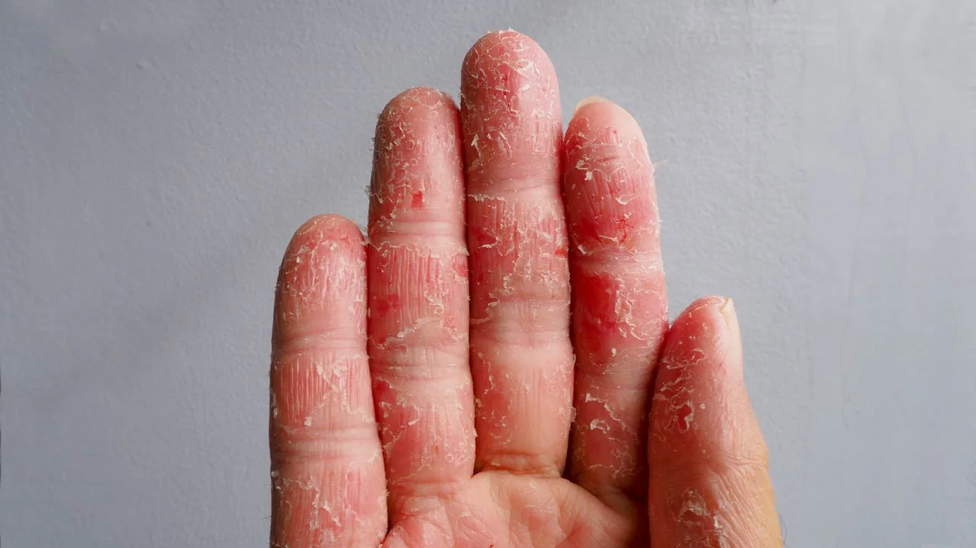
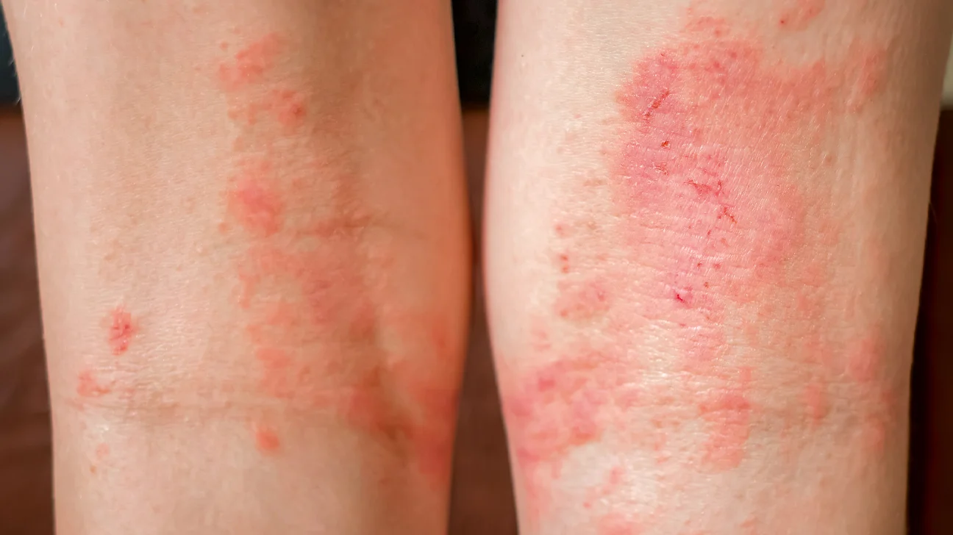
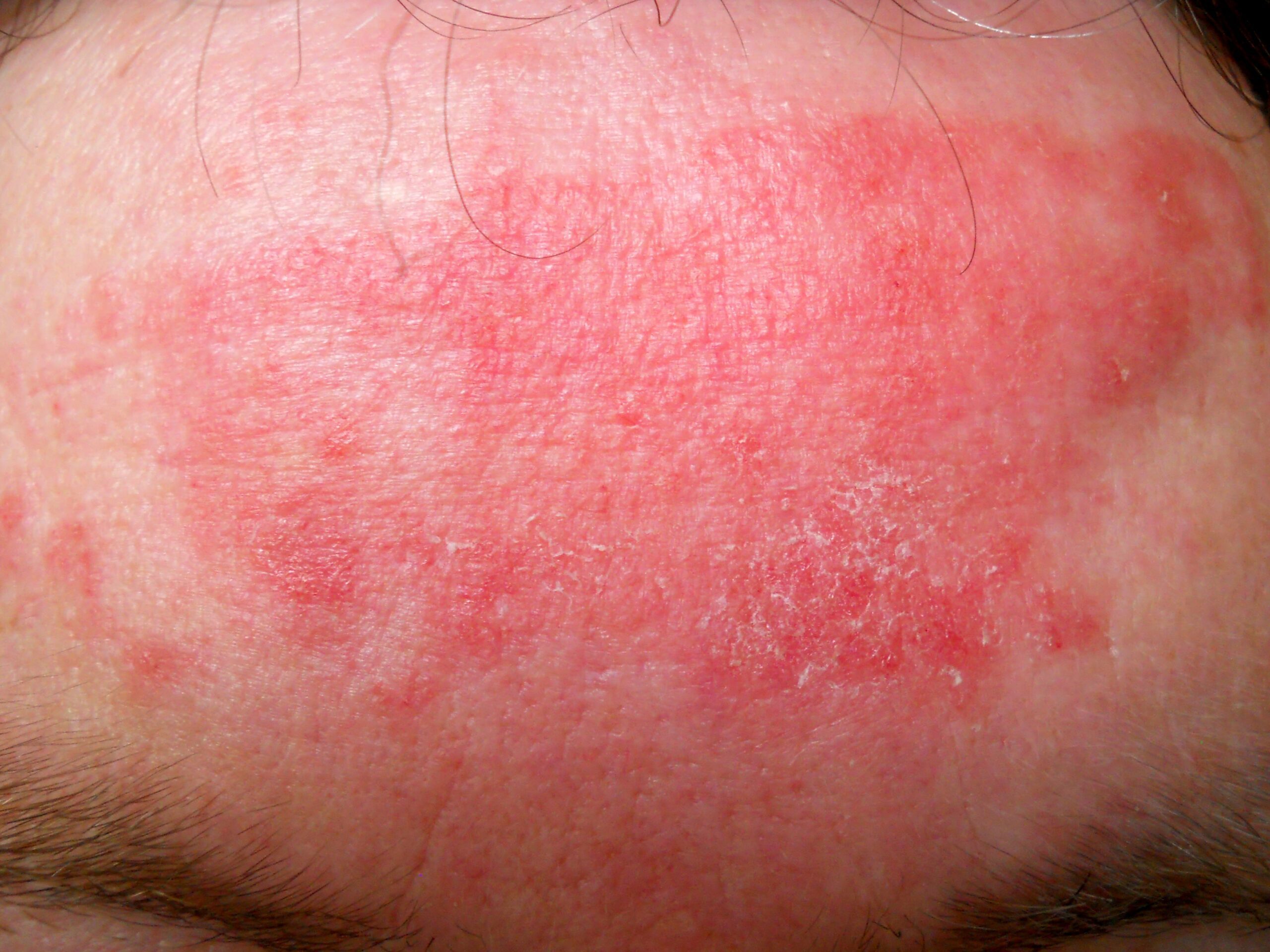
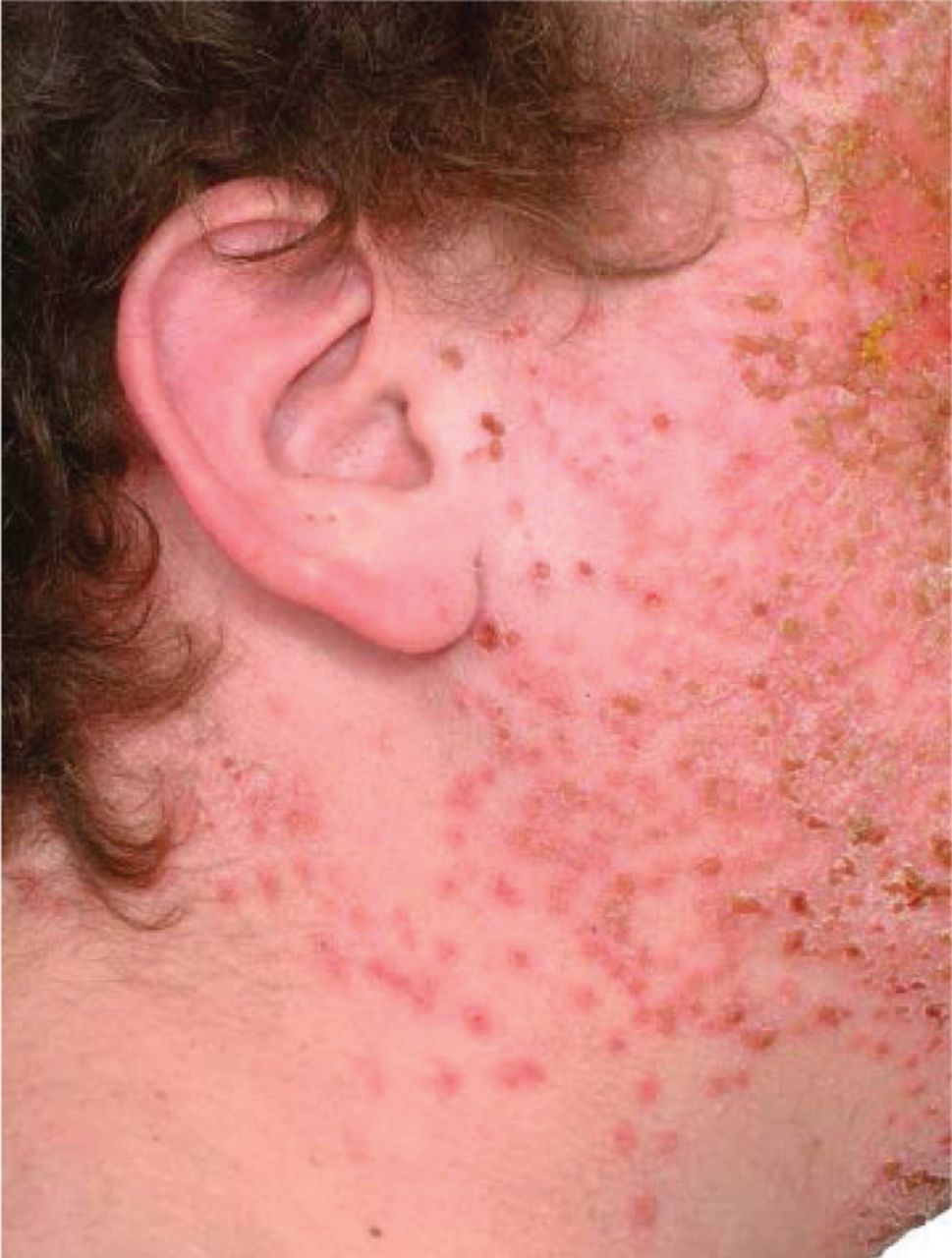
Some common symptoms of AD include
- itching (can be severe at times),
- red, dry patches of skin,
- rashes that may ooze clear fluid, or bleed when scratched,
- thickening and hardening of the skin.
There are two types of skin aging4 processes :
Intrinsic aging
Our skin changes with age and such chronological aging usually affects the skin of the entire body. It affects everyone regardless of their skin type. Changes in hormones, nutrition, immune system plays a part in this aging process, which can also be compounded by environmental factors such as ultraviolet exposure, tobacco smoking, diet.
Extrinsic aging
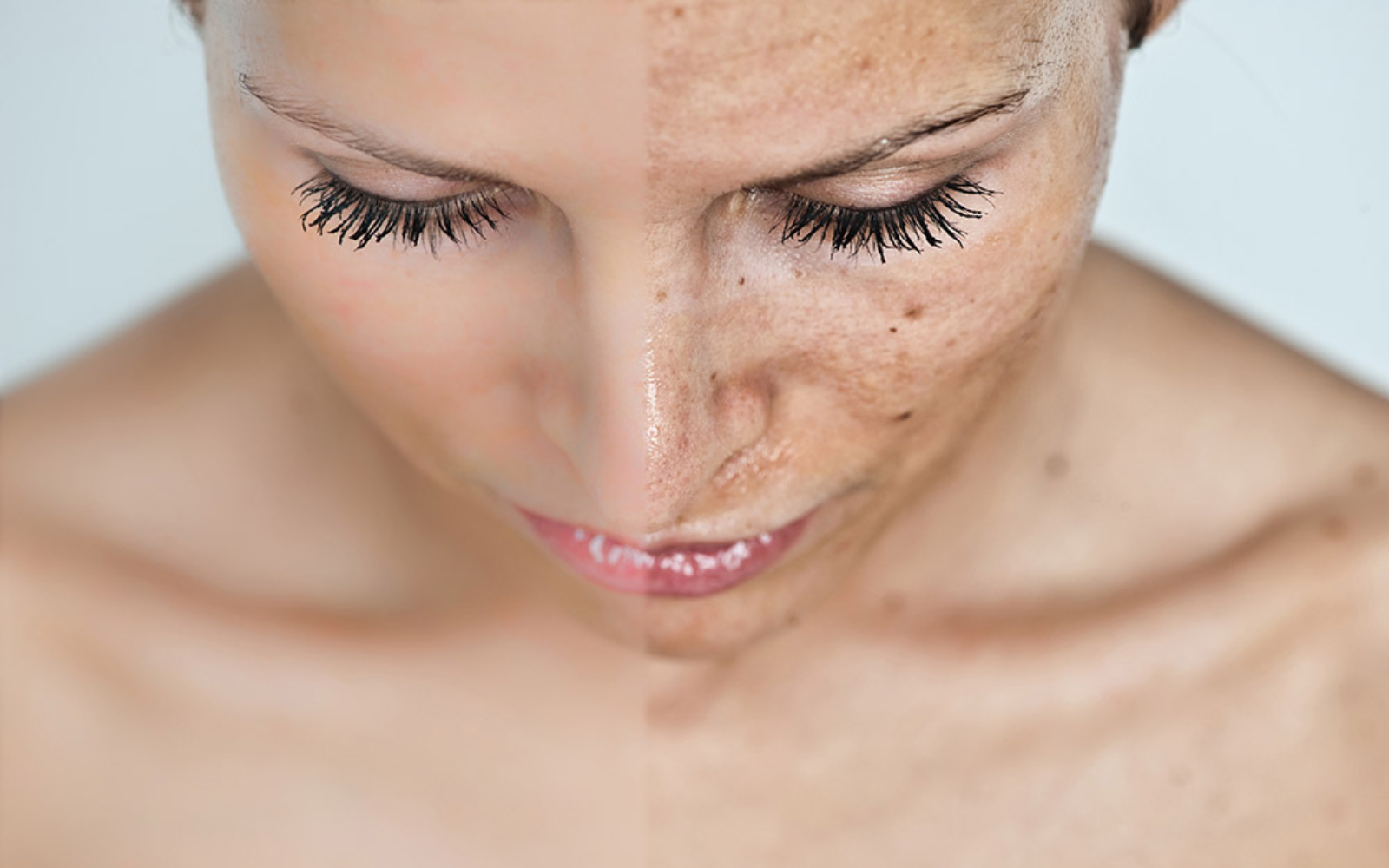
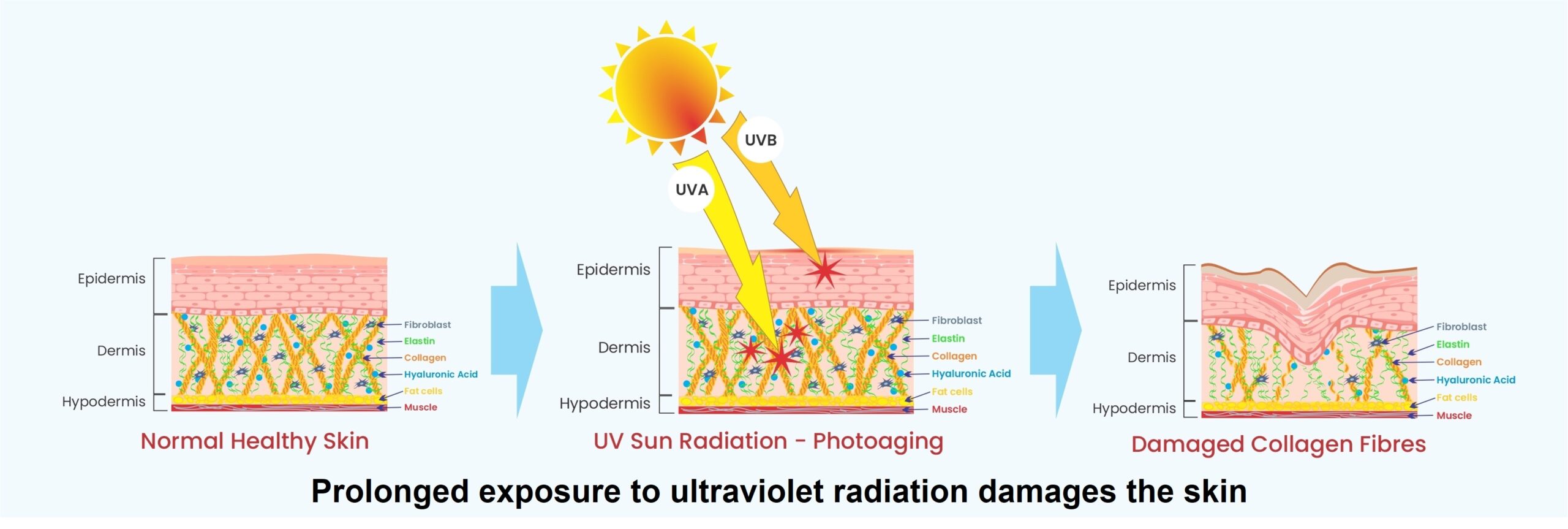
Chronic ultraviolet radiation exposure (photoaging), smoking, and other pollutants are common causes of extrinsic aging. It usually affects frequently exposed areas of the body.
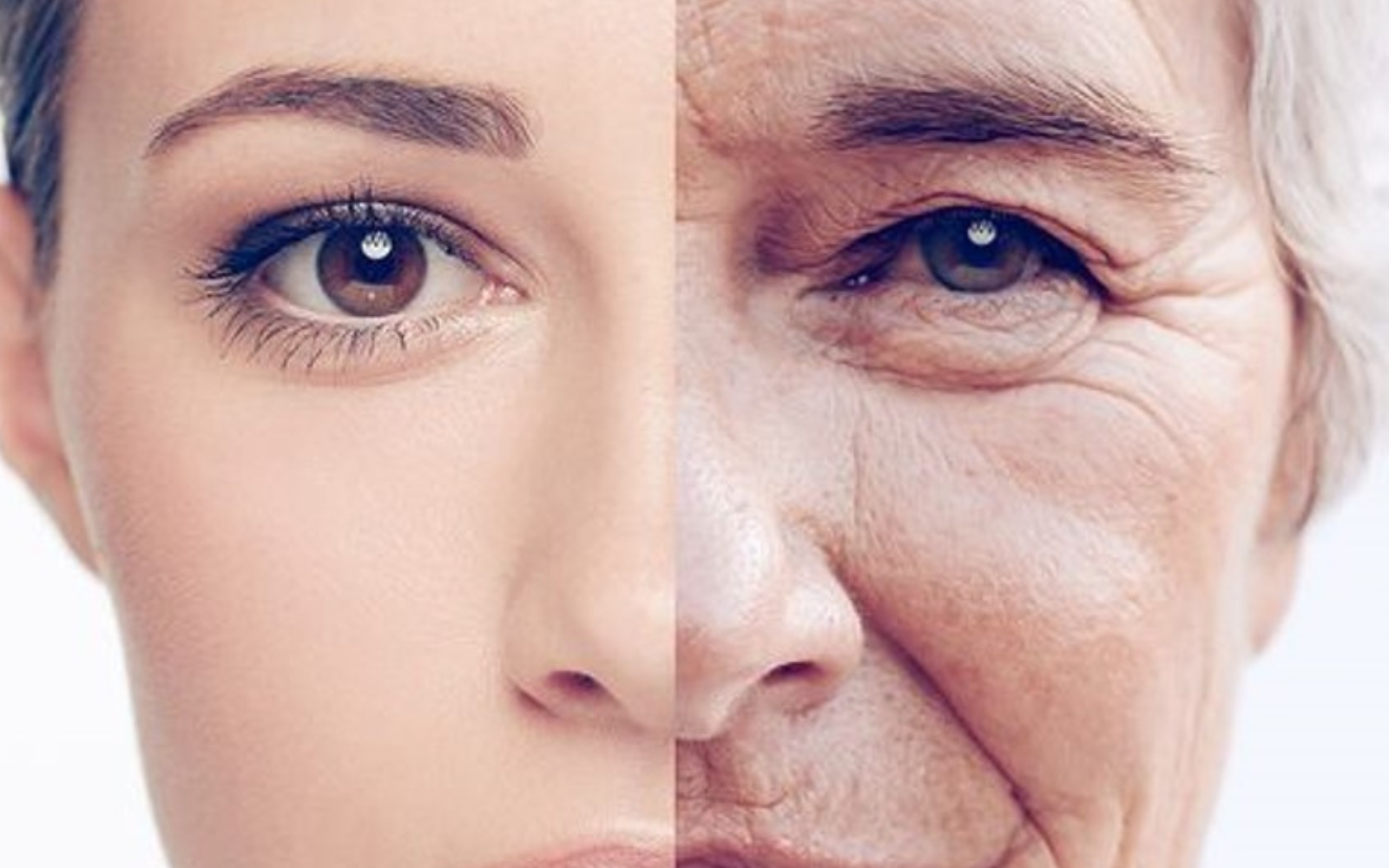
Some common signs of skin aging include wrinkles, pigment spots, loss of volume and loss of elasticity
- Alleviate the chronic symptoms suffered by AD patients to improve their quality of life;
- Slow down signs of aging skin and rejuvenate the skin for a more youthful complexion.
Development Stages for
Skin Care

References
- Seth D, Cheldize K, Brown D, Freeman EF. Global Burden of Skin Disease: Inequities and Innovations. Curr Dermatol Rep. 2017;6(3):204-210.
- Medicines and Healthcare products Regulatory Agency (2021) Long-term continual use of topical steroids linked to skin withdrawal side effects, GOV.UK.
- Coondoo A, Phiske M, Verma S, Lahiri K. Side-effects of topical steroids: A long overdue revisit. Indian Dermatol Online J. 2014;5(4):416-425.
- Zhang S, Duan E. Fighting against Skin Aging: The Way from Bench to Bedside. Cell Transplant. 2018;27(5):729-738.